

Australia’s veterans face unique mental health challenges that stem from their service experiences. Many struggle with post-traumatic stress disorder, depression, anxiety, and adjustment difficulties when transitioning back to civilian life. Traditional face-to-face therapy, while effective, often presents barriers that prevent veterans from accessing the support they need. Geographic isolation, mobility issues, and the stigma associated with mental health treatment can all stand in the way of recovery.
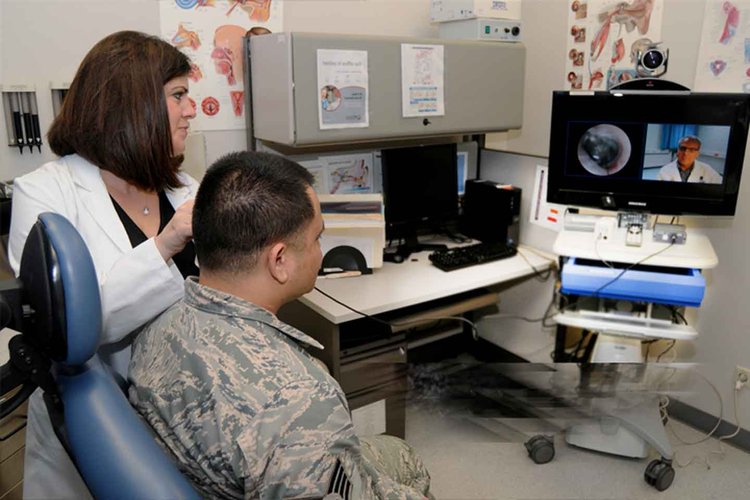
Telehealth has emerged as a transformative solution for veteran mental health care across Australia. This technology-driven approach allows veterans to connect with mental health professionals from the comfort of their own homes, breaking down many traditional barriers to treatment. Through video calls, phone consultations, and digital platforms, veterans can now access specialised care regardless of their location or physical limitations.
The benefits of telehealth for Australian veterans extend far beyond convenience. For those living in remote areas of Queensland, Western Australia, or the Northern Territory, travelling hundreds of kilometres to see a specialist is no longer necessary. Veterans with physical disabilities or chronic pain conditions can receive treatment without the stress of lengthy commutes. This accessibility ensures that geography no longer determines the quality of mental health support available to those who have served our nation.
Privacy and comfort represent additional advantages of telehealth services. Many veterans feel more at ease discussing sensitive topics from their own environment rather than in clinical settings. This comfort can lead to more honest conversations and better therapeutic outcomes. Veterans can attend appointments without worrying about running into acquaintances at medical facilities, reducing potential embarrassment or social anxiety.
The flexibility of telehealth scheduling accommodates the complex lives many veterans lead. Those managing families, employment, or ongoing medical appointments can more easily fit mental health sessions into their routines. This flexibility often results in better attendance rates and more consistent treatment engagement.
Research demonstrates that telehealth mental health services produce outcomes comparable to traditional in-person therapy. Veterans participating in telehealth programmes show similar improvements in symptoms of PTSD, depression, and anxiety. The technology also enables innovative treatment approaches, such as virtual reality therapy for trauma processing and smartphone applications for mood monitoring between sessions.
Australian healthcare providers have recognised telehealth’s potential and invested significantly in expanding these services. The Department of Veterans’ Affairs has developed comprehensive telehealth programmes specifically designed for veterans’ needs. These initiatives include crisis intervention services, ongoing counselling support, and specialised programmes for specific conditions common among military personnel.
Despite its advantages, telehealth does face some limitations. Technology barriers can affect older veterans who may struggle with digital platforms. Internet connectivity issues in rural areas can disrupt sessions. Some therapeutic interventions may still require face-to-face contact for maximum effectiveness.
The future of veteran mental health care in Australia will likely involve a hybrid approach, combining telehealth convenience with traditional therapy when appropriate. This combination ensures veterans receive the most effective treatment while maintaining access to innovative, flexible care options that respect their unique circumstances and needs.