

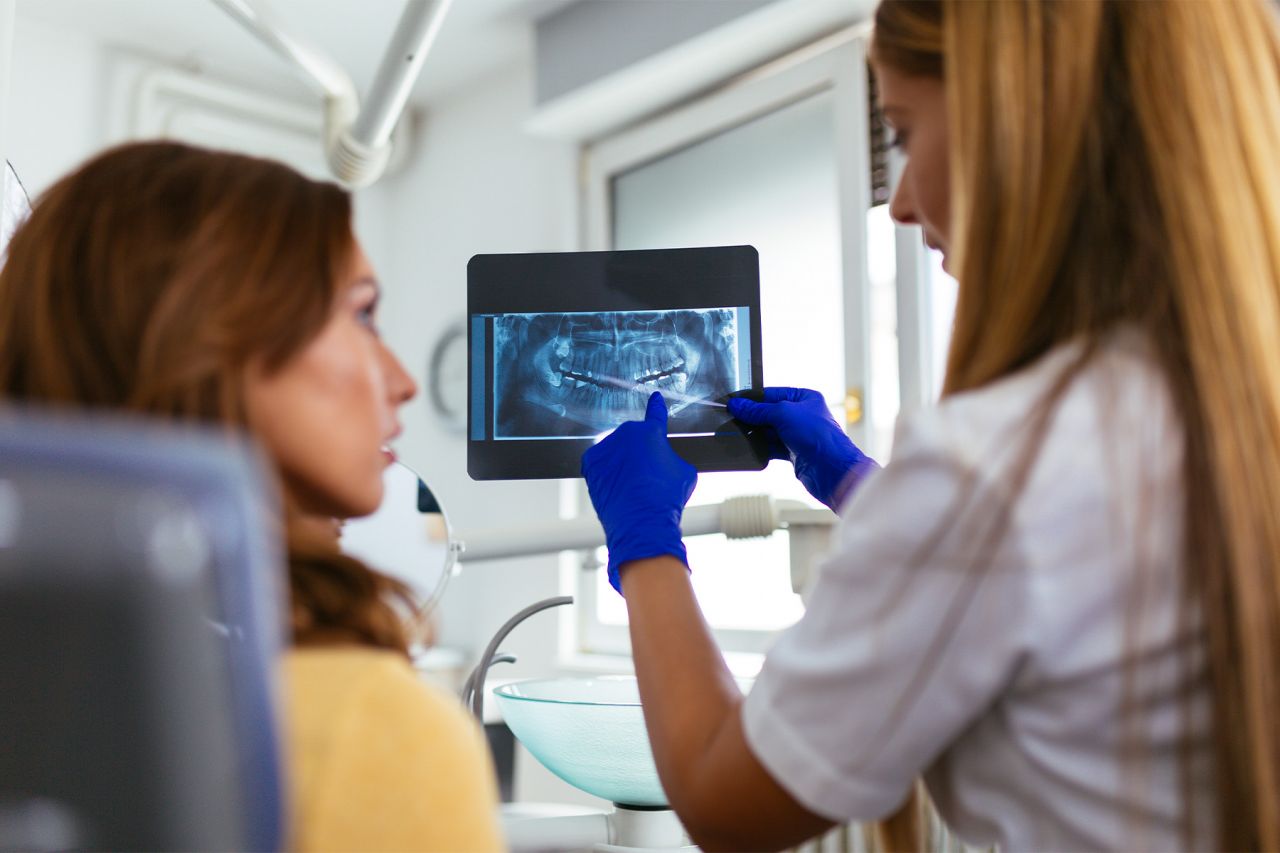
Australian dentistry is entering an era where the dental chair is no longer the centre of the patient experience. Increasingly, technology is becoming the invisible architecture behind diagnosis, treatment planning, communication and long-term oral health. From digital imaging to computer-guided procedures, modern dentistry is moving towards something more precise and personal: treatment designed around the individual rather than simply the condition.
This transformation matters because patients today expect more than technically sound dentistry. They want clarity, convenience, comfort and confidence. They want to understand what is happening inside their mouths, what their treatment will involve and how their decisions today may influence their oral health years from now.
From Diagnosis to Digital Intelligence
One of the most significant developments in contemporary dentistry is the growing use of digital diagnostic technology. Intraoral scanners can create highly detailed three-dimensional representations of the mouth without relying solely on traditional physical impressions. Digital X-rays and advanced imaging can provide clinicians with valuable information about teeth, bone and surrounding structures while supporting more informed treatment planning.
The significance of these technologies extends beyond speed. Digital information can be shared, measured, compared and integrated into sophisticated treatment workflows. A patient’s oral condition becomes something that can be observed not only at a single appointment but also across time.
That shift encourages a more preventive philosophy. Instead of waiting for a small problem to become a major intervention, dentists can increasingly identify changes earlier and develop strategies around preservation.
The Rise of Personalised Dentistry
The future of oral care is also becoming more individualised. Two patients may arrive with apparently similar dental concerns yet require entirely different approaches because of differences in anatomy, lifestyle, oral hygiene, previous treatment and long-term goals.
Digital smile design, computer-aided design and computer-aided manufacturing are helping clinicians create treatment plans that account for these individual characteristics. Restorations can be digitally designed before fabrication, while orthodontic and cosmetic treatments can be planned with greater visual precision.
For patients, this can make dentistry easier to understand. Rather than relying exclusively on verbal explanations, clinicians can use digital models and visual simulations to demonstrate potential treatment pathways.
The result is a more collaborative relationship. The patient is no longer simply receiving treatment; they can become an informed participant in the decision-making process.
Dental Implants Enter a New Technological Era
Few areas demonstrate this evolution more clearly than dental implants. Implant treatment has traditionally depended on clinical expertise, anatomical assessment and meticulous surgical technique. Today, digital planning is adding another layer of precision.
Three-dimensional imaging can help clinicians assess available bone and important anatomical structures before treatment. Digital planning software can then assist with determining dental implant positioning and developing a coordinated restorative strategy.
This technological approach can be particularly valuable when replacing multiple missing teeth or rebuilding an entire dental arch. The objective is not simply to insert an implant but to consider how the final restoration should function, look and interact with the patient’s existing oral structures.
Technology does not replace the judgement of an experienced dental professional. Instead, it gives that professional more information with which to make decisions.
Comfort Is Becoming Part of Clinical Excellence
For decades, dental technology was often associated with equipment hidden behind the scenes. The modern patient experience is changing that perception.
Quieter instruments, digital impressions, improved imaging and more sophisticated treatment workflows can help reduce some of the discomfort and inconvenience traditionally associated with dental appointments. Even seemingly small improvements can influence how patients perceive dentistry.
This is particularly important for people who experience dental anxiety. A more predictable appointment, clearer explanation and less invasive workflow can help transform dentistry from an experience patients endure into one they can approach with greater confidence.
Comfort, therefore, should not be viewed as a luxury. It is increasingly becoming part of what patients consider quality care.
Dentistry Beyond the Dental Practice
Perhaps the most interesting development is that oral care is gradually extending beyond the clinic.
Wearable technology, connected health platforms and artificial intelligence are creating opportunities for people to become more aware of their health behaviours. While these technologies should not replace professional assessment, they may eventually support more continuous monitoring and personalised health education.
Artificial intelligence may also assist clinicians by identifying patterns in diagnostic images, organising information and supporting clinical decision-making. Human expertise remains essential, particularly because dentistry involves nuanced judgement and individual circumstances, but intelligent systems may increasingly become valuable assistants.
The broader direction is clear: dentistry is moving from episodic treatment towards continuous oral health management.
The Human Element Still Matters
For all its sophistication, technology cannot create trust by itself.
A digitally planned treatment can still fail to meet a patient’s expectations if communication is poor. An advanced scanner cannot substitute for empathy. Artificial intelligence cannot fully understand the personal significance of someone’s smile, confidence or fear.
The most meaningful future for Australian dentistry will therefore not be technology versus traditional care. It will be technology supporting better human care.
The dentist of the future may have access to more data, more accurate imaging and more powerful planning systems, but the fundamental responsibility remains the same: helping patients make informed decisions about their health.
Building a Smile for the Future
The future of Australian oral care is ultimately less about futuristic machines and more about creating a smarter relationship between patients, professionals and technology.
Prevention, personalisation, precision and education are likely to become increasingly interconnected. Patients may have greater visibility into their oral health, while clinicians gain better tools for detecting problems and designing treatment around individual needs.
Yet technology is only one part of maintaining a healthy smile. Daily habits remain remarkably powerful. Brushing effectively, cleaning between the teeth, maintaining a balanced diet, avoiding tobacco, attending regular dental examinations and responding promptly to oral health changes remain fundamental.
For Australians looking beyond today’s treatment and towards decades of healthier smiles, understanding practical maintenance tips for a lifetime smile may ultimately be just as important as choosing the latest dental technology.
The future of dentistry, then, is not simply digital. It is preventive, personalised and increasingly connected—with technology serving its greatest purpose when it makes excellent oral care more precise, understandable and human.