

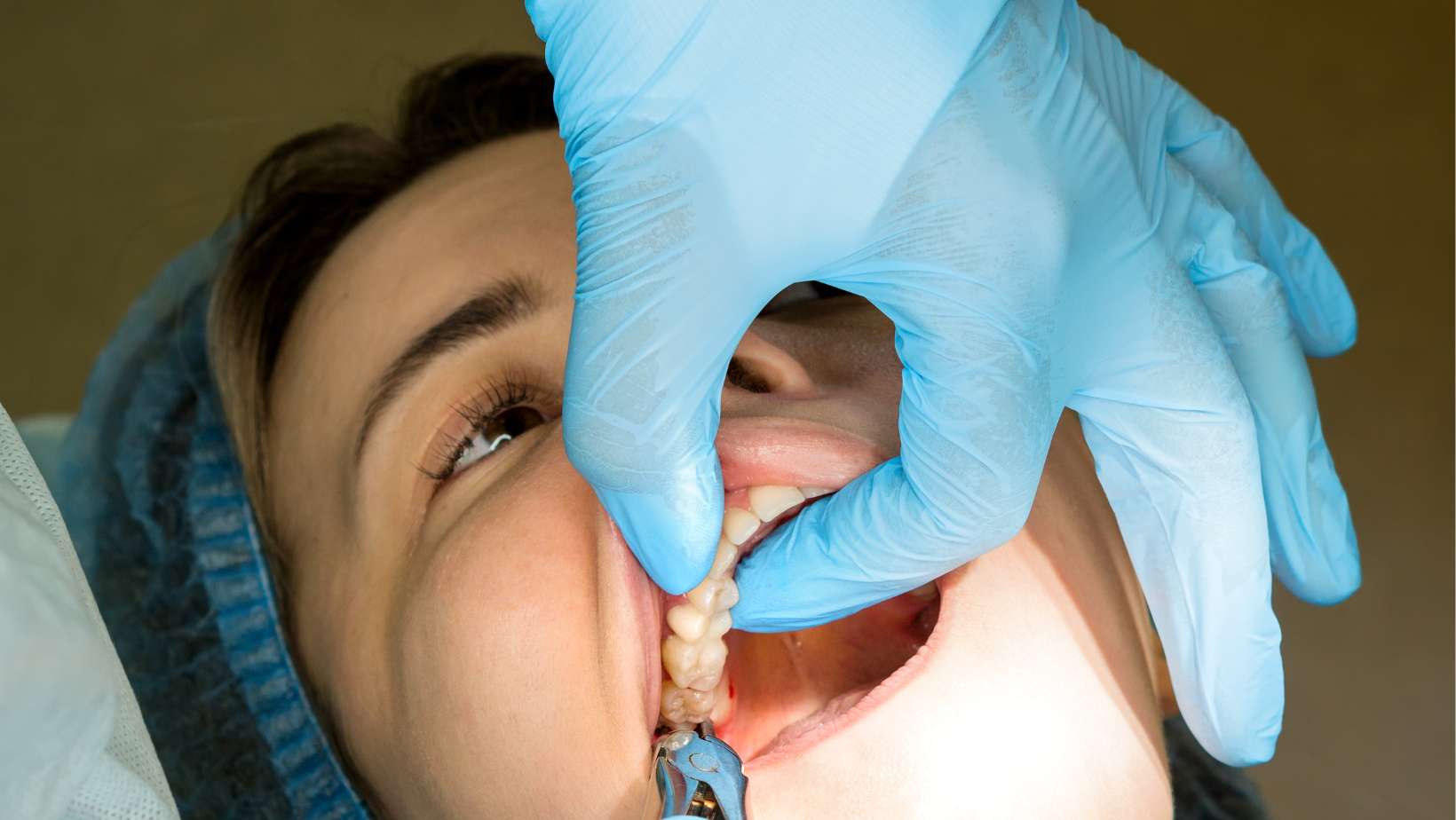
Wisdom teeth, also known as third molars, are the last set of molars to develop, usually emerging in late adolescence or early adulthood. For many people, there simply isn’t enough room in the jaw to accommodate these teeth, which can lead to crowding, discomfort, and even infection. Understanding when intervention is necessary and how modern dental techniques support a smooth recovery can help patients feel more confident if removal becomes recommended.
Why Wisdom Teeth Cause Problems
In an ideal scenario, wisdom teeth emerge straight and function like other molars. However, most adults don’t have the available space for third molars. When these teeth erupt at odd angles or only partially break through the gumline, they can create pockets that trap food and bacteria. This can lead to inflammation, recurrent infection, pain, and gum disease. Other complications include damage to adjacent teeth and cyst formation around impacted teeth.
Careful evaluation by a dental professional helps determine whether the teeth are likely to cause issues. Using panoramic X-rays and other imaging tools, dentists assess the position and development of wisdom teeth well before symptoms worsen.
Recognizing Urgent Dental Symptoms
Not all wisdom teeth require immediate extraction, but you should be aware of the signs you need urgent wisdom tooth removal. These typically include:
- Persistent pain that doesn’t ease with over-the-counter medication
- Swelling of the gums, jaw, or face
- Fever alongside oral discomfort
- Difficulty opening the mouth or swallowing
- Unusual bleeding or discharge near the tooth
- Radiating pain toward the ear or jaw
If you experience these symptoms, prompt evaluation by a dental surgeon is important. Early intervention can reduce the risk of more severe infection or complications that require more extensive treatment later.
Modern Diagnostic Tools
Advancements in dental imaging have greatly improved how wisdom teeth problems are identified. Traditional 2D X-rays provide a basic look at tooth position, but newer technologies like 3D cone-beam computed tomography (CBCT) give clinicians a full picture of nerve pathways, jawbone structure, and tooth roots.
These detailed scans allow dentists to:
- Predict the likely path of eruption
- Assess the risk of nerve or sinus involvement
- Plan surgical approach more precisely
- Customize anesthesia and sedation techniques
By understanding tooth orientation and surrounding anatomy, clinicians can minimize surgical trauma and plan for a more efficient procedure.
Advanced Anesthesia and Sedation Options
One of the biggest fears patients express before wisdom tooth removal is pain. However, modern dentistry offers several options for managing discomfort:
- Local anesthesia: Numbs the surgical area so the procedure itself is pain-free
- Nitrous oxide (laughing gas): Helps anxious patients relax
- Oral sedation: A mild sedative taken before the appointment
- IV sedation: Keeps patients deeply relaxed or semi-conscious during more complex extractions
Choosing the right level of sedation depends on the patient’s comfort level, medical history, and the complexity of the extraction. Even with more advanced sedation, recovery is typically smoother because less stress during surgery can translate to diminished post-operative pain.
Surgical Techniques That Promote Quick Healing
Wisdom tooth extraction isn’t a one-size-fits-all procedure. Surgeons use a range of techniques tailored to each case:
- Minimally invasive incision: Smaller cuts reduce trauma
- Tooth sectioning: Breaking a tooth into pieces for easier removal
- Gentle bone removal: Preserves as much jaw structure as possible
- Precision tools: Small instruments and surgical handpieces help limit damage
These approaches aim to reduce swelling, pain, and risk of complications. Removing only what’s necessary and minimizing soft tissue disruption improves the recovery experience.
Post-operative Care Essentials
How you care for your mouth after surgery plays a major role in healing speed. Most patients can return to normal activities within a few days if they follow careful guidance. Key recovery tips include:
- Rest and elevation: Taking it easy and keeping your head elevated reduces swelling
- Cold compresses: Ice packs applied intermittently for the first 24–48 hours
- Gentle oral hygiene: Avoid brushing the extraction sites at first, but keep other areas clean
- Saltwater rinses: After the first day, warm saltwater can help maintain cleanliness
- Soft foods: Broths, yogurts, and mashed foods allow comfort without irritation
Avoid smoking, using straws, or vigorous rinsing in the first few days. These actions can dislodge the blood clot that forms in the extraction site, leading to a painful complication known as dry socket.
Monitoring for Complications
Most wisdom tooth removals progress without major issues. However, it’s important to watch for signs that warrant attention. If pain worsens after several days, swelling increases instead of fading, or you notice fever or persistent bleeding, contact your dental provider right away. Prompt evaluation can address infections or other concerns early.
Patients with pre-existing medical conditions, such as immune disorders or cardiovascular issues, should also discuss antibiotic prophylaxis or special care considerations before surgery.
The Long-Term Value of Removal
Waiting until symptoms are severe often leads to more complicated surgical procedures and longer recovery times. Early intervention, guided by careful assessment, helps protect surrounding teeth, decreases the risk of chronic infection, and promotes overall oral health. Whether the goal is to eliminate pain or prevent future dental crowding, modern extraction methods make the process more comfortable and predictable.
At the same time, it’s important to stay aware of other issues that might arise in oral health beyond wisdom teeth, including conditions like cancer that affects the mouth that require evaluation by medical professionals. Regular dental checkups help ensure that emerging concerns are identified early and treated appropriately.