

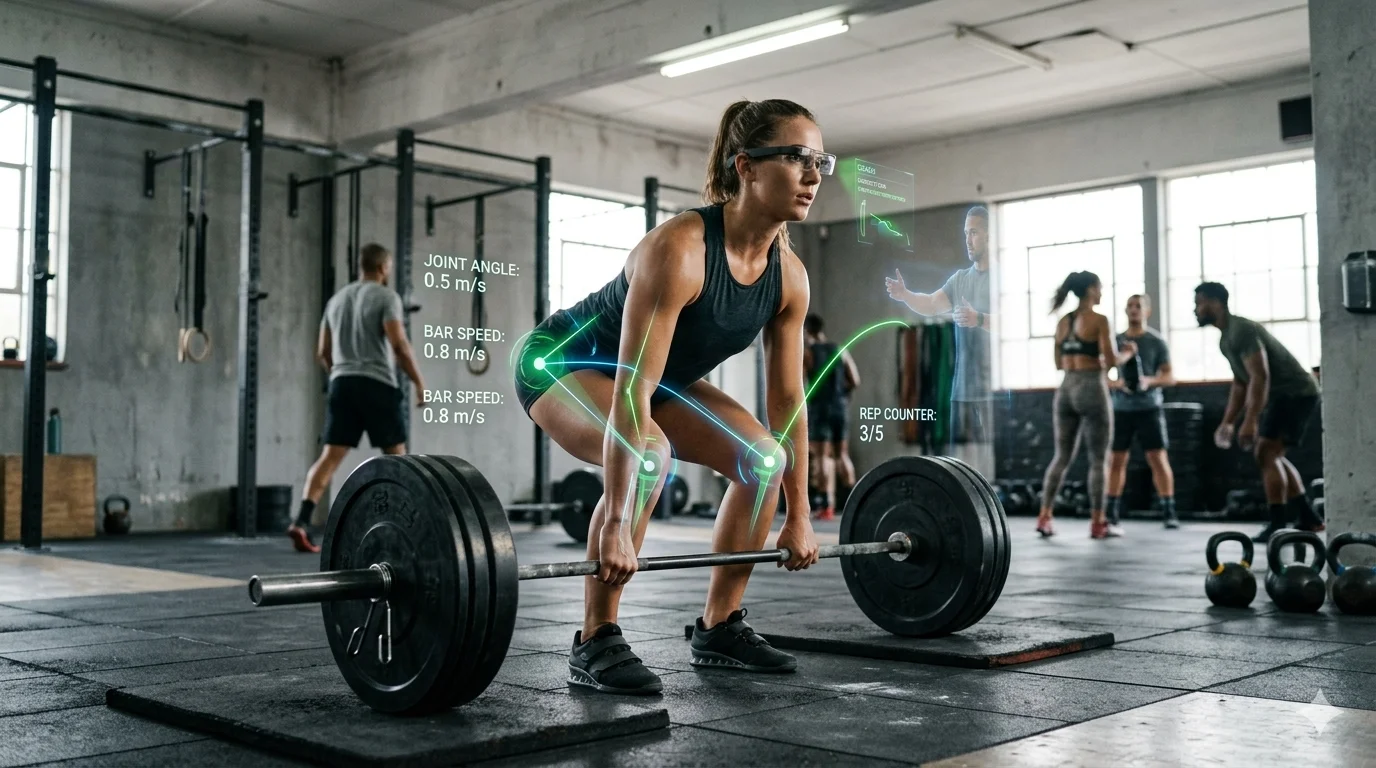
The fitness industry is currently undergoing a massive digital transformation. For decades, the gold standard for personalized fitness was the one-on-one human personal trainer—a professional who watched your form, counted your reps, and motivated you through the final set. However, the rise of artificial intelligence has introduced a new player into the arena: the AI personal trainer. Powered by complex algorithms, computer vision, and vast datasets, these digital coaches promise to deliver the same level of customization as a human trainer at a fraction of the cost. As this technology becomes more integrated into our smartphones and wearable devices, it is essential to evaluate the effectiveness, advantages, and inherent limitations of relying on an algorithm for physical transformation.
The Mechanics of Digital Coaching
AI personal trainers operate by processing enormous amounts of data to create a tailored exercise experience. Unlike traditional fitness apps that offer static workout plans, AI-driven platforms are dynamic. They utilize machine learning to adapt to a user’s progress in real time. If a user finds a specific weight too light or struggles to complete a set of repetitions, the algorithm adjusts the next workout accordingly.
Some of the most advanced systems now incorporate computer vision. By using the camera on a smartphone or tablet, the AI can track the movement of a user’s limbs and joints. It compares this movement against a model of “perfect form” and provides immediate auditory or visual feedback to correct posture. This technology aims to solve one of the biggest risks of working out alone: the potential for injury due to poor technique.
The Advantages of Algorithm-Based Fitness
The rapid adoption of AI coaching is driven by several compelling benefits that address the barriers many people face when trying to start or maintain a fitness routine.
Accessibility and Cost-Effectiveness
The most significant advantage is the democratization of personalized coaching. A high-quality human personal trainer in a major US city can cost anywhere from sixty to over one hundred dollars per hour. For many, this is a prohibitive expense. AI trainers, usually offered through a monthly subscription model, provide structured guidance for less than the cost of a single session with a human. This makes professional-level fitness advice accessible to a much broader demographic.
Data-Driven Precision
Humans are prone to subjective bias, but algorithms excel at objective data analysis. AI can synthesize data from multiple sources, including heart rate monitors, sleep trackers, and historical workout performance, to determine exactly when a user is ready to push harder or when they require a recovery day. This level of precision helps in avoiding overtraining and ensures that every minute spent exercising is optimized for the user’s specific goals, whether that is hypertrophy, fat loss, or cardiovascular endurance.
24/7 Availability and Flexibility
A human trainer requires an appointment and a specific location. An AI trainer lives in your pocket. Whether a user wants to work out at four in the morning in a hotel room or at midnight in their basement, the AI is available. This flexibility is crucial for individuals with erratic work schedules or those who travel frequently and cannot commit to a consistent gym schedule.
The Limitations and Disadvantages of AI Trainers
While the technology is impressive, it is not without significant drawbacks. There are elements of the human experience and physical safety that algorithms have yet to fully replicate.
The Absence of Human Empathy and Nuance
Fitness is as much a psychological challenge as it is a physical one. A human trainer can look at a client and see that they had a stressful day at work, are grieving, or are simply lacking confidence. The human coach provides emotional support, adjusts the intensity based on non-verbal cues, and offers a level of empathy that a machine cannot. An algorithm may see a drop in performance and simply label it as “failure to hit target,” whereas a human understands the context and provides the necessary encouragement to keep the client from quitting the journey altogether.
Limitations in Form Correction
Although computer vision is improving, it is currently limited by the 2D perspective of a single camera lens. A human trainer can walk around a client, checking their spinal alignment from the side and their knee tracking from the front. AI often struggles with depth perception and can be fooled by loose clothing or poor lighting. If the AI fails to detect a rounded back during a heavy deadlift, the user may continue the dangerous movement under the false impression that their form is correct, leading to serious long-term injury.
Lack of Accountability
For many, the primary reason for hiring a trainer is accountability. It is much harder to skip a workout when you know a real person is waiting for you at the gym. While AI apps can send push notifications and “nudge” users to exercise, these are easily ignored or silenced. The social contract between two humans is a powerful motivator that an algorithm has not yet been able to simulate effectively.
The Future of Hybrid Coaching Models
As the technology matures, we are likely to see a shift toward hybrid coaching. In this model, the AI handles the data tracking, rep counting, and basic program adjustments, while a human coach oversees the high-level strategy and provides the emotional and psychological support. This “augmented” approach allows human trainers to manage more clients effectively without sacrificing the quality of the personal connection.
Privacy and Data Security Concerns
Using an AI personal trainer requires the user to hand over significant amounts of personal data, including biometric information, location data, and sometimes video recordings of themselves exercising in their homes. This raises important questions about how this data is stored, who has access to it, and whether it could be sold to third parties, such as insurance companies. Users must be diligent in reading privacy policies and understanding the trade-offs involved in digital coaching.
Conclusion
AI personal trainers represent a remarkable leap forward in making fitness guidance more inclusive and data-oriented. For the self-motivated individual who understands the basics of movement and is looking for a structured, affordable way to track progress, algorithm-based coaching is an excellent tool. However, for those who are brand new to exercise, those recovering from injuries, or those who thrive on social connection and accountability, the human element remains irreplaceable. The “best” trainer is ultimately the one that keeps you moving consistently, whether that coach is made of flesh and bone or lines of code.
Frequently Asked Questions
Can AI trainers create specialized plans for people with chronic medical conditions?
Most current AI fitness platforms are designed for the general healthy population. While they can adjust for basic goals, they often lack the sophisticated medical knowledge required to design safe programs for individuals with conditions like severe scoliosis, advanced heart disease, or acute joint injuries. In these cases, a human physical therapist or a specialized medical exercise professional is necessary.
How do AI coaches handle nutritional advice compared to humans?
AI coaches often use mathematical formulas like the Mifflin-St Jeor equation to estimate caloric needs based on user input. While accurate on a macro level, they may not account for hormonal imbalances, gut health issues, or complex eating disorders. A human nutritionist can provide a more nuanced approach that considers the psychological relationship with food, which algorithms typically ignore.
Will AI eventually replace human personal trainers entirely?
It is unlikely that AI will completely replace humans in the high-end or specialized segments of the market. The roles that involve deep emotional intelligence, complex manual stretching, and physical spotting for heavy lifts require a physical presence. However, AI will likely replace the “entry-level” trainer who primarily focuses on providing basic templates and counting repetitions.
What hardware is typically required to use an AI personal trainer effectively?
At a minimum, most AI trainers require a modern smartphone with a high-quality camera and a stable internet connection. To get the most out of the “data-driven” aspect, many users also pair the app with a smartwatch or a heart rate chest strap to provide the algorithm with real-time biometric feedback during the workout.
Does using an AI trainer increase the risk of “orthorexia” or exercise obsession?
There is a risk that the constant data feedback and the “gamification” of fitness can lead some users to become overly obsessed with numbers. Because an algorithm doesn’t know when to tell a user to take an unscheduled break for mental health reasons, it can inadvertently encourage obsessive behaviors. It is important for users to maintain a sense of balance and listen to their bodies over the app.
How does an AI trainer stay updated with the latest sports science?
AI platforms are updated by their developers, who input new research and peer-reviewed studies into the algorithm’s logic. This can actually give AI an edge over some human trainers who may not have read a new study in years. The AI can be programmed to instantly apply the latest findings on rest intervals or volume load across its entire user base.
Are AI trainers capable of preparing athletes for specific sports competitions?
While AI can handle the general physical preparation for sports, it currently lacks the ability to coach the specific technical skills and tactical nuances of sports like wrestling, gymnastics, or team sports. The “skills” portion of athletic training still requires a human eye that understands the subtle mechanics of a specific sport.