

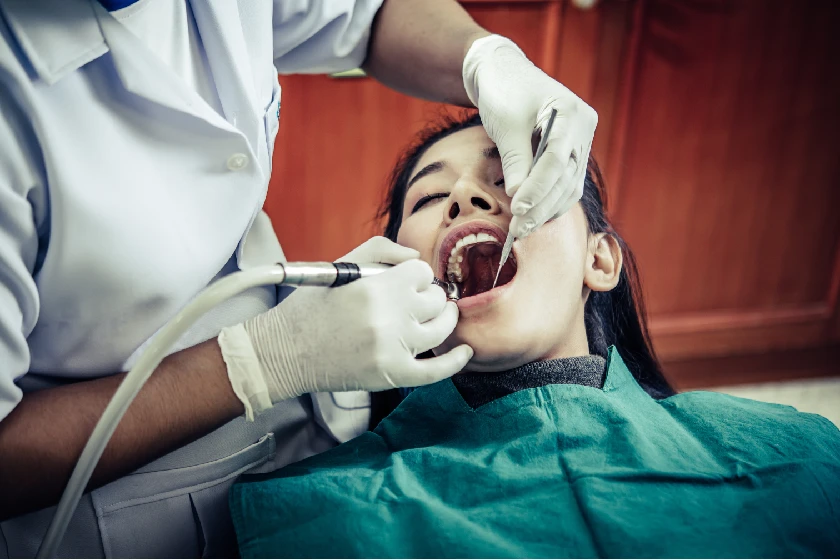
For many people, the words root canal treatment still carry an uncomfortable reputation. The procedure is often associated with dental anxiety, unfamiliar instruments and the anticipation of pain. Yet modern dentistry has made considerable progress in changing this perception. With improved diagnostic technology, refined treatment techniques and a greater understanding of patient comfort, root canal therapy has become a more predictable and manageable experience.
One particularly important development is sedation dentistry. By helping patients manage anxiety and remain comfortable during treatment, sedation techniques are changing the way people approach procedures that might otherwise feel overwhelming. This is especially meaningful for individuals who have delayed dental appointments because of fear, previous negative experiences or difficulty sitting comfortably through longer procedures.
The real comfort revolution, however, is not simply about making dental treatment easier. It is about creating an environment where patients feel informed, respected and confident enough to receive the care their oral health requires.
Understanding Why Root Canal Treatment Is Necessary
A root canal procedure is designed to treat infection or inflammation affecting the dental pulp, the soft tissue inside a tooth containing nerves and blood vessels.
Deep tooth decay, cracks, dental trauma or repeated dental procedures can damage this tissue. When the pulp becomes irreversibly inflamed or infected, treatment may be necessary to prevent the condition from progressing.
During root canal therapy, the dentist creates an opening in the tooth, removes the affected pulp, cleans and shapes the internal canals, and seals them with suitable filling materials. The tooth may subsequently require a crown or another restoration to protect its remaining structure.
Although the procedure has a reputation for being uncomfortable, modern root canal treatment is generally performed using local anaesthesia to control pain. In many cases, the treatment itself relieves the discomfort caused by the underlying infection.
Understanding this distinction is important. Much of the pain associated with a damaged tooth comes from the condition requiring treatment rather than the root canal procedure itself.
The Connection Between Dental Anxiety and Oral Health
One of the most significant challenges in dentistry is not always treating an existing problem. It is helping patients overcome the fear that prevents them from seeking treatment in the first place.
When someone repeatedly postpones dental appointments, minor concerns can develop into more complicated conditions. A small cavity may progress towards the dental pulp, while gum inflammation can advance into more serious periodontal disease if left unmanaged.
This creates a frustrating cycle: fear encourages avoidance, avoidance allows dental problems to progress, and more extensive treatment can reinforce existing anxiety.
Sedation dentistry can help interrupt this pattern for suitable patients. By reducing the emotional barriers associated with dental procedures, it may make necessary treatment more approachable.
Equally important is communication. Dentists who explain each stage of treatment, discuss available comfort options and allow patients to express their concerns can help create a greater sense of control.
A comfortable dental experience begins long before the first instrument touches a tooth.
Technology and Precision in Modern Root Canal Therapy
The comfort revolution is also supported by technological developments that improve the way root canal treatment is planned and performed.
Digital radiography provides detailed images of tooth structures while generally using less radiation than conventional film-based techniques. Electronic apex locators help clinicians estimate the working length of root canals, while specialised rotary instruments can make canal preparation more efficient.
Dental operating microscopes may also help practitioners visualise complex internal anatomy and identify additional canals that might otherwise be difficult to detect.
These tools do not eliminate every challenge. Root canal anatomy can be unpredictable, and some cases require specialist endodontic care. However, improved visualisation and instrumentation can support more controlled treatment.
When combined with appropriate anaesthesia, careful technique and sedation where indicated, these developments can contribute to a more reassuring patient experience.
Recovery After Root Canal Treatment
Following root canal therapy, some patients experience temporary tenderness around the treated tooth, particularly when biting. This generally improves as the surrounding tissues recover.
Dentists may recommend avoiding hard or chewy foods on the treated tooth until the final restoration has been completed. Following instructions about medication and attending scheduled appointments are also important.
A tooth that has undergone root canal treatment no longer contains living pulp tissue, but its surrounding periodontal ligament and supporting structures remain alive. This means it can still experience inflammation, pressure-related discomfort and other dental problems.
A permanent restoration, often a crown depending on the tooth’s condition, may be recommended to protect it from fracture.
How to Maintain Good Oral Hygiene After Root Canal Treatment
Understanding how to maintain good oral hygiene after root canal treatment is essential for protecting the treated tooth and maintaining the health of the surrounding teeth and gums.
Although the infected pulp has been removed, the rest of the mouth remains vulnerable to plaque accumulation, gum disease and tooth decay.
Patients should maintain several important habits:
- Brush twice daily: Use a soft-bristled toothbrush and fluoride toothpaste to clean all tooth surfaces gently.
- Floss every day: Clean between teeth to remove plaque and food particles that brushing cannot adequately reach.
- Attend follow-up appointments: Allow the dentist to assess healing and ensure the final restoration is functioning properly.
- Limit frequent sugary snacks: Repeated sugar exposure increases the risk of new cavities in other teeth and around existing restorations.
- Avoid unnecessary pressure: Follow advice about chewing until the treated tooth has received its recommended permanent restoration.
- Monitor unusual symptoms: Persistent pain, swelling or a returning gum pimple near the treated tooth should be assessed professionally.
Good oral hygiene is not simply a recovery requirement. It is an ongoing investment in preventing future dental complications.
How Sedation Dentistry Changes the Patient Experience
Dental anxiety is more common than many people realise. Some patients experience nervousness before routine examinations, while others find the sound of dental instruments, the sensation of treatment or the fear of losing control particularly distressing.
Sedation dentistry offers several approaches to managing these concerns.
Depending on the patient’s needs and medical suitability, options may include:
– Nitrous oxide sedation: Also known as laughing gas, this is inhaled through a small nasal mask and can help patients feel more relaxed. Its effects generally wear off relatively quickly after administration stops.
– Oral sedation: Prescribed medication can help reduce anxiety and produce relaxation. The level of sedation varies, and patients may remain drowsy for several hours.
– Intravenous sedation: Medication is administered through a vein, allowing the dental team to adjust sedation levels according to the patient’s response. Appropriate monitoring is essential.
These approaches are not interchangeable, and the most suitable option depends on medical history, anxiety levels, treatment complexity and individual circumstances.
It is also important to distinguish sedation from local anaesthesia. Sedation helps manage anxiety and awareness, while local anaesthesia numbs the treatment area to prevent pain.
Although the phrase sedatives ensures that the procedure is painless is often used when describing comfortable dental experiences, sedation alone does not guarantee freedom from pain. Local anaesthesia remains central to pain control during root canal treatment, with additional anaesthetic measures available when clinically necessary.
A More Compassionate Future for Dental Care
The evolution of sedation dentistry reflects a broader transformation in modern healthcare. Successful treatment is increasingly understood as a combination of clinical effectiveness and patient experience.
For people who have spent years avoiding root canal treatment because of anxiety, access to appropriate sedation can make an important difference. It offers an opportunity to receive necessary care without allowing fear to dictate every dental decision.
Nevertheless, sedation is only one part of a comprehensive approach. Accurate diagnosis, appropriate pain control, skilled clinical treatment and consistent aftercare remain equally important.
Ultimately, the future of comfortable dentistry is not about removing every unfamiliar sensation from the treatment experience. It is about replacing uncertainty with understanding and fear with confidence.
A healthy smile depends on more than the absence of infection. It requires a relationship with dental care built on trust, prevention and informed choices. When modern technology and compassionate treatment work together, even procedures with an intimidating reputation can become manageable steps towards better long-term oral health.