

Maintaining oral health is a vital component of overall physical well-being. While many view dental care as a purely aesthetic pursuit focused on a bright smile, the mouth serves as a primary gateway to the rest of the body. Periodontal disease and poor hygiene have been clinically linked to systemic conditions, including cardiovascular disease, diabetes, and respiratory infections. Understanding the mechanics of dental hygiene, the progression of common ailments, and the latest in preventative technology is essential for lifelong health.
The Biological Foundation of Oral Hygiene
The human mouth is home to a complex ecosystem known as the oral microbiome. This environment contains hundreds of species of bacteria, some of which are beneficial, while others are pathogenic. The primary goal of daily dental care is the management of biofilm, commonly referred to as plaque.
Plaque is a sticky, colorless film of bacteria that constantly forms on the teeth. When we consume carbohydrates or sugars, these bacteria produce acids that attack the tooth enamel. Over time, these acid attacks cause the mineral structure of the enamel to break down, leading to the formation of cavities, or dental caries. If plaque is not removed through mechanical brushing and flossing, it mineralizes into calculus (tartar), which can only be removed by a dental professional using specialized instruments.
Essential Daily Practices for Plaque Control
The cornerstone of dental health is a consistent, effective home care routine. While most people brush their teeth, the quality and technique of the cleaning often fall short of clinical recommendations.
Proper Brushing Techniques
To maximize the removal of plaque, the American Dental Association recommends brushing for at least two minutes, twice a day. The brush should be held at a 45-degree angle toward the gum line. This angle is critical because it allows the bristles to reach the sulcus, the small gap between the tooth and the gum where bacteria frequently congregate.
-
Manual vs. Electric: Both can be effective, but electric toothbrushes with oscillating-rotating technology often achieve better results for users with limited dexterity or those who brush too aggressively.
-
Pressure Sensitivity: Brushing too hard can lead to gingival recession and the wearing away of enamel (abrasion).
-
Replacement: Toothbrushes or brush heads should be replaced every three to four months, or sooner if the bristles become frayed.
The Necessity of Interdental Cleaning
Toothbrushes cannot reach the tight spaces between teeth, which account for nearly 35% of the tooth’s surface area. Flossing or using interdental brushes is not an “optional extra” but a requirement for preventing interproximal cavities and gum disease.
-
Traditional Floss: Best for tight contacts between teeth.
-
Water Flossers: Highly effective for patients with braces, bridges, or permanent retainers.
-
Interdental Brushes: Often more effective than floss for those with larger gaps or existing gum recession.
The Role of Nutrition in Dental Longevity
Dietary choices directly influence the pH balance of the mouth. A neutral pH is approximately 7.0. When we consume acidic foods or fermentable carbohydrates, the pH drops below 5.5, the “critical pH” at which enamel begins to demineralize.
Foods that Promote Dental Health
-
High-Fiber Vegetables: Celery and carrots act as natural abrasives, helping to scrub teeth while stimulating saliva flow.
-
Dairy Products: Cheese, yogurt, and milk are rich in calcium and phosphates, which help redeposit minerals into the teeth. Casein, a protein found in milk, also helps reduce enamel loss.
-
Lean Proteins: Phosphorus-rich foods like poultry and eggs are essential for strengthening the bone structure that supports the teeth.
Hazards of Liquid Sugar
One of the greatest threats to modern dental health is the frequent consumption of sugar-sweetened beverages. Sipping on soda, sports drinks, or sweetened coffee throughout the day keeps the oral environment in a constant state of acidity. This prevents saliva from performing its natural “re-mineralization” cycle, leading to rapid decay.
Understanding Gum Disease: Gingivitis to Periodontitis
Gum disease is an inflammatory condition that affects the tissues surrounding the teeth. It is the leading cause of tooth loss in adults and is often “silent,” meaning it causes little pain until it reaches an advanced stage.
Gingivitis
This is the earliest stage of gum disease, characterized by redness, swelling, and bleeding during brushing or flossing. At this stage, the damage is reversible because the bone and connective tissue holding the teeth in place have not yet been affected.
Periodontitis
If gingivitis is left untreated, it can progress to periodontitis. The inner layer of the gum and bone pull away from the teeth and form pockets. These small spaces collect debris and can become infected. The body’s immune system fights the bacteria as the plaque spreads and grows below the gum line. Toxins produced by the bacteria, along with the body’s “good” enzymes involved in fighting infections, actually start to break down the bone and connective tissue that hold teeth in place.
Advanced Preventative Care and Professional Treatments
Even with perfect home care, professional intervention is necessary to monitor changes in oral health and remove hardened tartar.
Professional Cleanings and Examinations
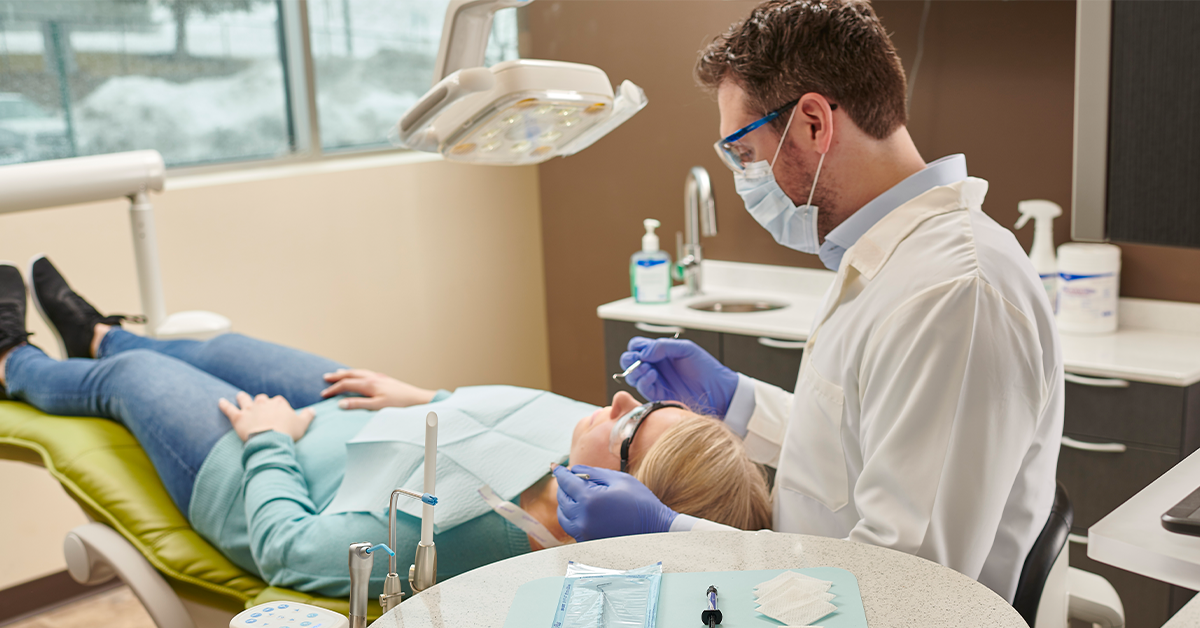
A standard dental checkup involves more than just cleaning. Dentists perform oral cancer screenings, check the integrity of existing fillings, and use diagnostic imaging (X-rays) to identify issues hidden beneath the surface, such as abscesses, impacted teeth, or bone loss.
Fluoride Therapy and Sealants
Fluoride is a naturally occurring mineral that strengthens enamel and interferes with the ability of bacteria to produce acid. While it is often found in community water supplies and toothpaste, professional-grade fluoride varnishes provide a concentrated dose that can even “arrest” or stop small cavities from growing.
Dental sealants are another powerful preventative tool, particularly for children and teenagers. A sealant is a thin, plastic coating applied to the chewing surfaces of the molars. It acts as a physical barrier, preventing food and bacteria from settling into the deep grooves (pits and fissures) of the teeth where most childhood cavities start.
The Impact of Lifestyle Factors
Specific lifestyle choices can drastically alter the trajectory of a person’s dental health.
-
Tobacco Use: Smoking and chewing tobacco are major risk factors for oral cancer and periodontal disease. Tobacco use impairs blood flow to the gums, which masks the signs of gingivitis (like bleeding) and slows down the healing process after dental procedures.
-
Hydration: Xerostomia, or dry mouth, is a side effect of hundreds of medications. Without adequate saliva to wash away food particles and neutralize acids, the risk of tooth decay skyrockets.
-
Bruxism: Stress often leads to teeth grinding or clenching. This can result in fractured teeth, chronic headaches, and Temporomandibular Joint (TMJ) disorders. Custom night guards are often required to protect the dentition from the immense pressure generated by jaw muscles.
Conclusion
Dental care is a lifelong commitment that requires a partnership between the individual and their dental professional. By mastering mechanical plaque removal, making informed nutritional choices, and attending regular clinical examinations, most dental diseases are entirely preventable. Investing time in oral hygiene today yields the long-term benefit of retaining natural teeth and protecting overall systemic health.
Frequently Asked Questions
How does systemic health affect the success of dental implants?
Uncontrolled systemic conditions, particularly diabetes, can hinder the body’s ability to heal and integrate the titanium post with the jawbone. High blood sugar levels can impair white blood cell function and slow down the osseointegration process, increasing the risk of implant failure. It is crucial for patients to manage chronic conditions before undergoing surgical dental procedures.
Can certain medications cause gum overgrowth?
Yes, a condition known as gingival hyperplasia can be a side effect of specific medications. This includes some anti-seizure drugs, immunosuppressants used after organ transplants, and certain calcium channel blockers used for high blood pressure. If the gums begin to grow over the teeth, it makes hygiene difficult and may require surgical correction or a change in medication.
Why do teeth sometimes feel sensitive after a professional cleaning?
Post-cleaning sensitivity is often caused by the removal of large deposits of tartar that were covering the roots of the teeth or gaps between them. Once the tartar is removed, the newly exposed areas may be sensitive to temperature for a few days. This is usually temporary and can be managed with desensitizing toothpaste containing potassium nitrate.
Is there a difference between a standard cleaning and a deep cleaning?
A standard cleaning (prophylaxis) focuses on the surfaces of the teeth above the gum line and is meant for patients with healthy gums. A deep cleaning, known as scaling and root planing, is a therapeutic treatment for patients with periodontal disease. It involves removing plaque and tartar from deep pockets below the gum line and smoothing the root surfaces to help the gums reattach to the teeth.
Does pregnancy significantly impact dental health?
Hormonal changes during pregnancy can increase the blood flow to gum tissue, making the gums more sensitive to plaque. This often results in “pregnancy gingivitis.” Furthermore, frequent morning sickness can expose teeth to stomach acid, which erodes enamel. Pregnant women should maintain regular dental visits and rinse with water or a fluoride mouthwash after bouts of nausea.
What is the significance of the “black triangle” between teeth?
Black triangles, or gingival embrasures, occur when the gum tissue (papilla) does not fully fill the space between two teeth. This can be caused by bone loss from gum disease, the shape of the teeth, or aggressive flossing. While they can be an aesthetic concern, they also serve as “food traps” where plaque can easily accumulate, requiring diligent interdental cleaning.
How does aging affect the nerves inside the teeth?
As we age, the pulp chamber—the central part of the tooth containing nerves and blood vessels—tends to shrink and become more fibrous. This can make the teeth less sensitive to cold or heat, which sounds beneficial but can actually be dangerous. It means an older adult might not feel the pain of a cavity until it has reached an advanced stage of infection or abscess.